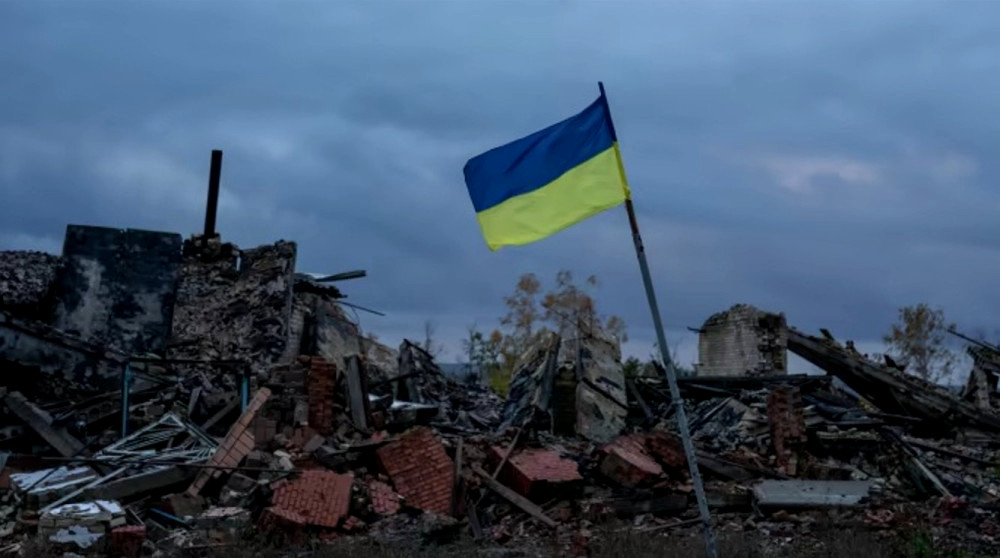


European diplomats are deliberating the potential creation of a 40-kilometer buffer zone as part of peace negotiations between Ukraine and Russia.
According to Politico, this proposal is one of several being discussed in the context of post-war settlement. However, there is still no consensus on the depth of the zone, and it remains unclear whether Kyiv would agree to such an arrangement, as it may require territorial concessions. The United States is currently not involved in these discussions.
The consideration of establishing a buffer zone on Ukrainian territory indicates a sense of desperation among NATO allies.
"This reflects their desire to find a solution", remarked a former Pentagon official.
"The Russians are not afraid of Europeans. If they believe that a few observers from Britain and France can stop them, they are mistaken", he added.
It is crucial to understand that "the delineation of territory holds significant historical importance. This is not quite comparable to the border between North and South Korea; they more liken it to the division of Germany during the Cold War".
Diplomats are discussing the potential number of peacekeepers to monitor the buffer zone, ranging from 4,000 to 60,000. However, no country has made official commitments. The US President has already dismissed the idea of deploying American troops.
"NATO is currently working on preparing a force of 300,000 troops to protect the eastern flank of the alliance from potential Russian attacks. Any peacekeeping forces, according to the diplomat, will serve a dual purpose: to patrol the demilitarized zone and to train Ukrainian forces".
Discussions are ongoing regarding the rules of engagement, possible escalation scenarios, and the role of third countries should the Kremlin oppose the presence of NATO forces.
French and British troops are likely to form the core of the foreign military contingent, and these countries are urging other allies to provide military support.
At the same time, Poland and Germany oppose sending troops to Ukraine, fearing that this would make them vulnerable to Russian attacks.
European nations are negotiating with Washington regarding satellite intelligence and air support. The US, possessing significant technical capabilities, could play a key role in monitoring Russia's compliance with the agreements.
High-ranking Pentagon officials have already informed their European counterparts that the US will play a minimal role in any security guarantees for Ukraine.
"Everyone is awaiting clarification from the US Defense Department leaders on how far they are willing to go, allowing Europeans to show their cards", stated one European official.