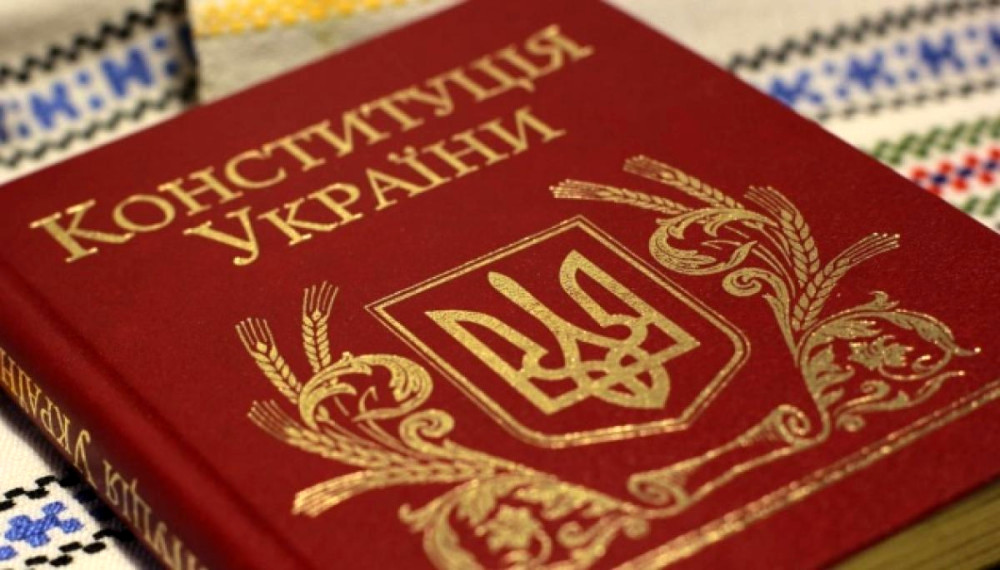


On June 28, Ukraine celebrates an important date – Constitution Day.
This holiday, enshrined in the Constitution itself, is observed for the fourth consecutive year under wartime conditions due to Russia's aggression, according to Ukrinform.
The Constitution was adopted by the Verkhovna Rada on June 28, 1996, at 9:18 AM, after nearly a full day of continuous work.
The adoption of the Constitution established the legal foundations of an independent Ukraine, its territorial integrity, and marked a significant step in ensuring human rights, enhancing Ukraine's international standing.
The modern constitutional process began right after the adoption of the Declaration of State Sovereignty on July 16, 1990. In October, a Constitutional Commission was formed. From 1991 to 1996, commissions created by both the Verkhovna Rada and the President developed several drafts of the Constitution, which were extensively discussed and refined.
The most contentious issues revolved around the distribution of power, state symbols, the status of the Russian language, and the status of Crimea. Leftist forces leaned towards diminishing presidential authority and equal status for both Ukrainian and Russian languages, while right-wing factions advocated for a strong presidential system and the dominance of the Ukrainian language, opposing Crimea's autonomy. Meanwhile, the 1978 Constitution of the Ukrainian SSR with some amendments was in effect.
On the night of June 27-28, 1996, the Constitution of Ukraine was adopted. The document received the support of two-thirds of the parliamentary body (315 votes). It defined strong presidential power, guaranteed private property rights, established a new state symbolism, recognized the Ukrainian language as the only state language, and acknowledged Crimea as an autonomous republic within Ukraine.
Since its adoption, the Constitution has been amended several times, with a strict procedure for making changes. Amendments to various sections require from 2/3 to 3/4 of the votes from the constitutional composition of the Verkhovna Rada. If amendments restrict the rights and freedoms of individuals or threaten the independence and territorial integrity of the state, the Constitution cannot be changed at all.