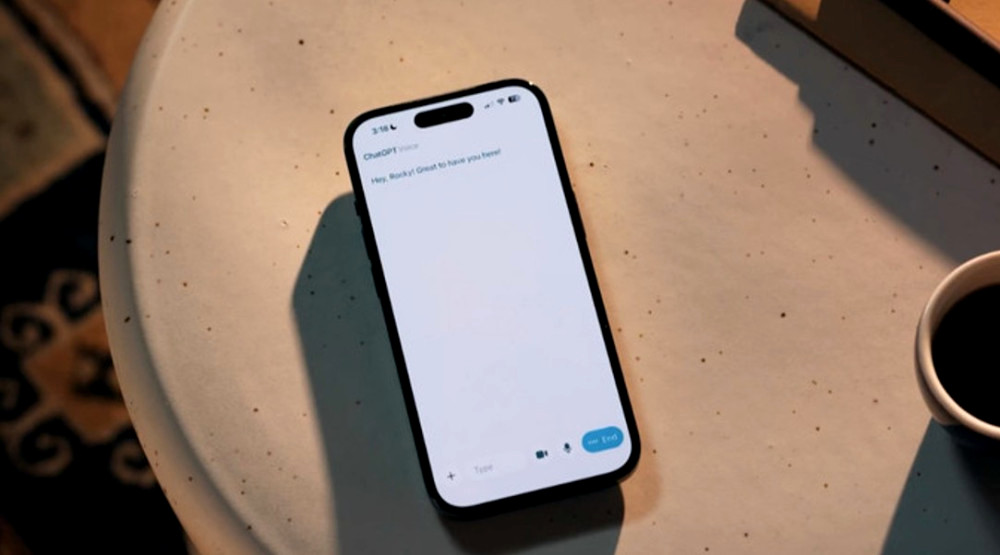

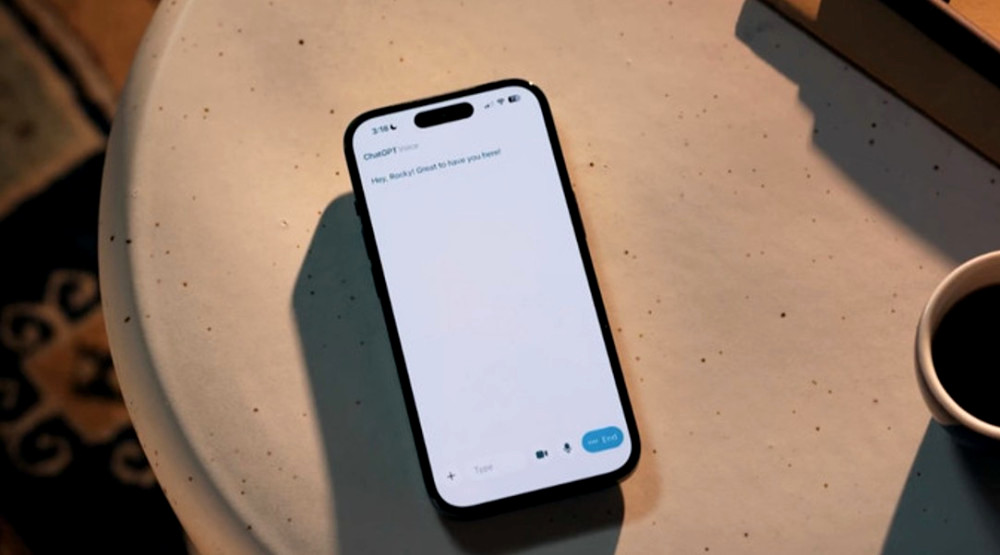
ChatGPT has received a significant update to its voice mode, transforming how users interact with the chatbot. The voice mode is now directly integrated into the main interface, allowing users to chat without switching to a different screen. This enhances the convenience and naturalness of communication.
Previously, activating voice mode would take users to a dedicated page featuring animations and functions like mute and recording buttons. In this mode, responses from the chatbot were solely audio, making it impossible to read them on-screen. If a response was missed, users had to exit the mode to read it.
With the new changes, during voice conversations, users can simultaneously see textual responses, images, and other elements in real time. A view of previous messages is also accessible, making the communication experience more logical and coherent.
Switching between voice and text has become easier—simply press the “Finish” button to revert to text input mode.
The new voice mode is now set as default and is gradually being rolled out in the web version and mobile apps of ChatGPT.
Users accustomed to the old separate interface can still revert it: a “Voice Mode” option has been added in settings to enable the “Separate mode,” allowing users to choose their preferred interaction format.