

Ukraine and Poland are joining forces to counter Russian sabotage, particularly on the railway lines. This was announced by Ukrainian President Volodymyr Zelensky following a conversation with Polish Prime Minister Donald Tusk.
According to him, the two nations have agreed to form a joint group to address such incidents in the future.
“Ukraine is ready to collaborate with Poland at various levels and share all necessary information. We agreed to establish a Ukrainian-Polish team that will work on preventing similar threats from Russia in the future,” Zelensky wrote on his Telegram channel on Wednesday.
Tusk shared with Zelensky intelligence from Polish law enforcement regarding recent sabotage incidents on Polish railways.
He explained that the social platform Telegram was used to organize subversive activities and launch misinformation campaigns against Ukraine.
“I pointed out that such sabotage actions are constantly directed against Ukraine, particularly concerning the railways. At Ukrzaliznytsia, we have implemented the necessary measures to counter such acts. Our information aligns: all evidence points to a Russian involvement in these activities. No one else, apart from the Russians, has any interest in this,” Zelensky stated.
The president mentioned that Ukraine is prepared to collaborate with Poland at various levels to prevent sabotage.
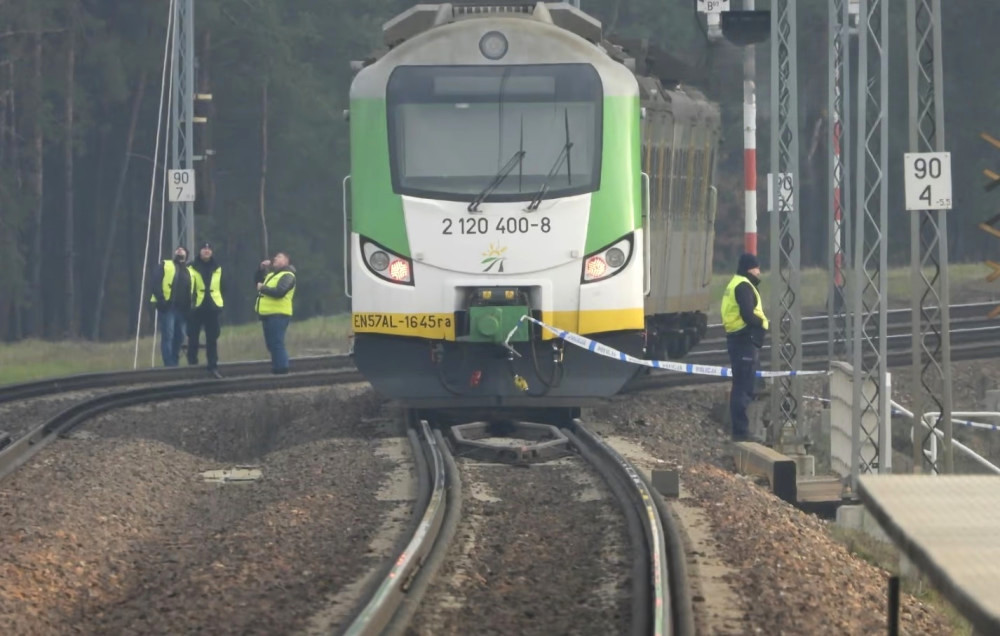
Notably, recent explosions on the railway tracks near the village of Mika and the placement of objects on the railway infrastructure near the Pulawy station are being considered sabotage acts. These incidents occurred on the strategically important Warsaw – Lublin route, which is critical for aiding Ukraine. Polish law enforcement has identified two individuals with Ukrainian passports, allegedly working for Russia, as responsible for the railway sabotage. Both entered Poland from Belarus and fled back there via the Terespol checkpoint before their identities were established. Following these incidents, Poland decided to deploy territorial defense troops to patrol the most critical parts of its railway infrastructure.


