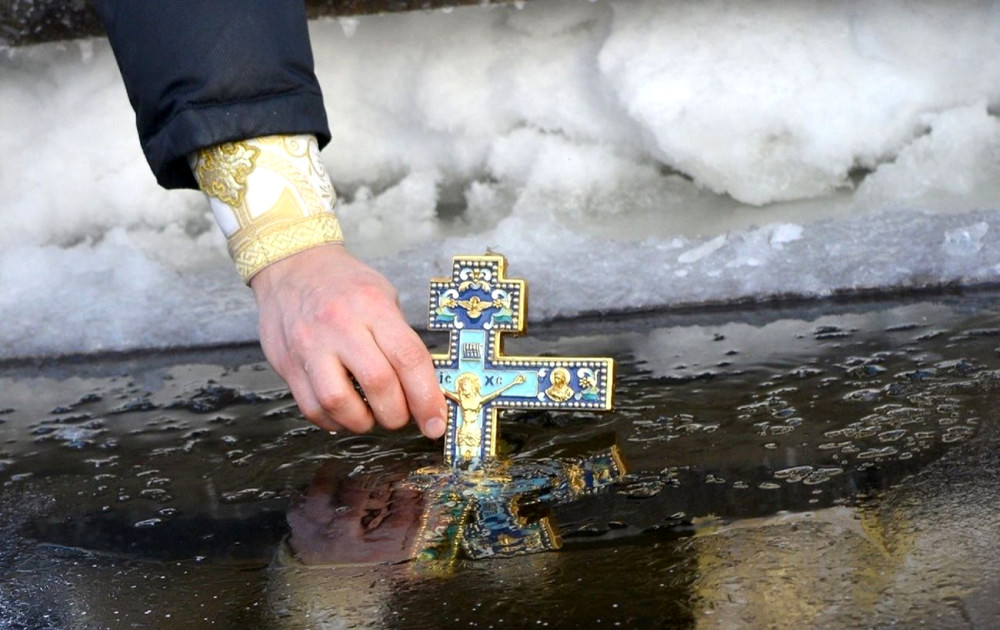


On January 6, Ukrainians celebrate Epiphany, also known as the Baptism of the Lord.
This is the final event in the Christmas and New Year cycle, recognized by several names: Theophany, Jordan. According to Ukrinform, this holiday carries profound spiritual meaning.
Epiphany spans three days, starting with a fasting kutya on the Eve; the next day marks the feast itself, followed by the veneration of John the Baptist. This time commemorates the baptism of Jesus Christ in the Jordan River.
The Holy Scriptures describe how the Holy Spirit descended upon Jesus in the form of a dove during His baptism, and a voice from Heaven was heard, which is why the holiday is called Epiphany. Throughout the day, churches hold festive liturgies culminating in the great blessing of water, a practice originating from early Christianity.
The water blessed on January 5 and 6 holds significant power: it is used to bless churches and homes, offered to the sick, and kept throughout the year until the next Epiphany.
Numerous omens are associated with Epiphany. Clear and cold weather on this day suggests a dry summer, while a gloomy, snowy day predicts a bountiful harvest. Snow during the water blessing indicates good bee swarming. Epiphany marks the end of caroling. Traditionally, the wedding season began after this holiday.
This year, Ukraine officially celebrates Epiphany on January 6 for the third time. The Orthodox Church of Ukraine and the Ukrainian Greek Catholic Church adopted the new Julian calendar on September 1, 2023.
Meanwhile, some believers will continue to celebrate Epiphany on the Julian calendar, January 19, including the Russian, Serbian, Georgian, and Jerusalem Orthodox churches.
The majority of the world’s Orthodox churches, including the Ecumenical Patriarchate, follow the new Julian calendar.