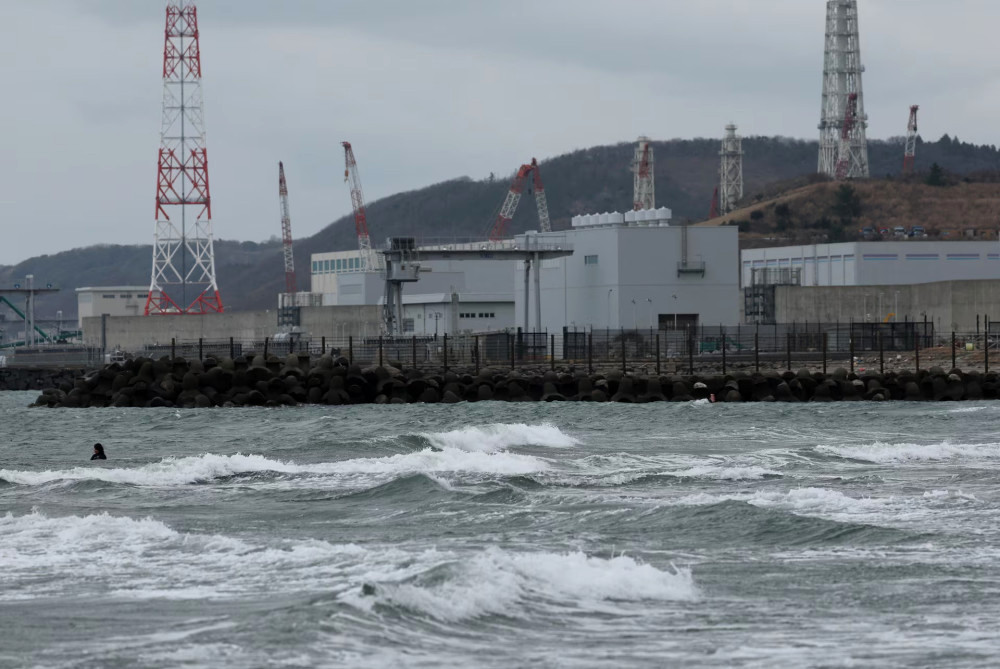


On December 22, 2025, Japan took a significant step in reviving the largest nuclear power plant in the world. This decision was endorsed by the Niigata prefectural council, marking a return to nuclear energy for the country nearly 15 years after the Fukushima disaster. Reuters reports.
On Monday, the Niigata prefectural assembly expressed confidence in Governor Hideo Hanazumi, who last month supported the station's restart, paving the way for its relaunch.
Following the catastrophe at the Fukushima Daiichi Nuclear Power Plant on March 11, 2011, which was the largest nuclear disaster in history, Japan shut down all its 54 reactors.
Since then, the country has restarted 14 of the remaining 33 operational reactors in an effort to reduce dependency on imported fossil fuels. The Kashiwazaki-Kariwa plant will be the first to be operated again by Tokyo Electric Power Co (TEPCO), the operator of the Fukushima disaster.
According to NHK, TEPCO is considering restarting the first of seven reactors on January 20. The total capacity of Kashiwazaki-Kariwa stands at 8.2 GW, enough to supply electricity to millions of households. The planned restart involves bringing one unit with a capacity of 1.36 GW online next year, with another similar unit around 2030.
Earlier this year, TEPCO promised to invest $641 million in the prefecture over the next decade to gain local community support. However, a survey released in October showed that 60% of residents do not believe the conditions for restart have been met, and nearly 70% are concerned about TEPCO's ability to operate the plant safely.
Monday's vote was seen as the final hurdle before the restart of the first reactor, which the Japanese Ministry of Trade estimates could increase electricity supply to the Tokyo region by 2%.
Prime Minister Sanae Takaiichi, who took office two months ago, supports nuclear restarts to bolster energy security and reduce costs for imported fossil fuels that account for 60-70% of Japan's electricity production.