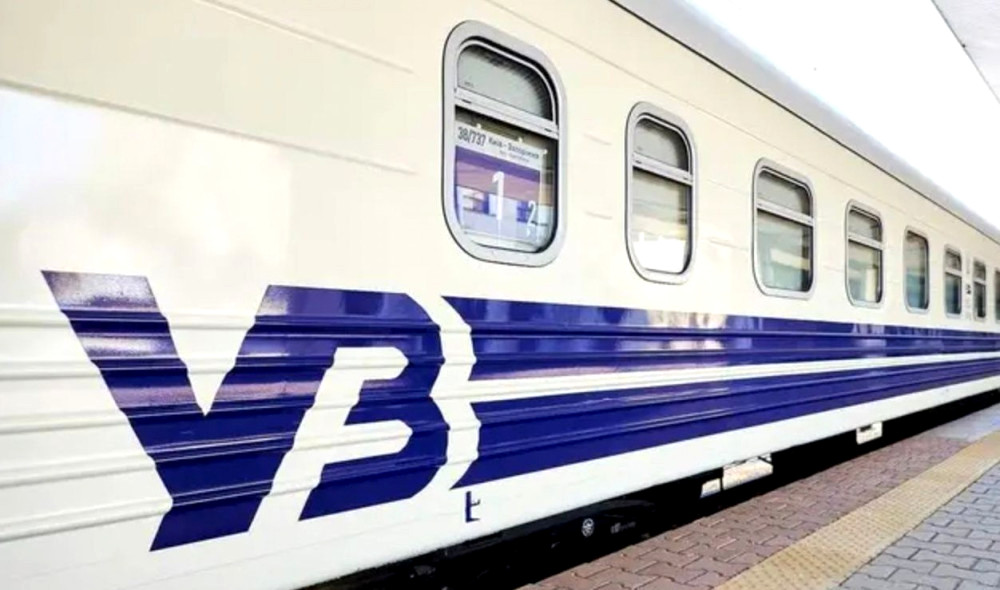


In 2025, Ukrzaliznytsia plans to contract 100 new passenger cars, including a pilot batch of 5 for future expansion.
This was reported by the company's press service.
The current rolling stock relies on 1970s technology with coal heating and air conditioning that only functions while in motion, leading to increased operating costs (typically requiring 2 conductors per car) and is generally outdated.
Ukrzaliznytsia notes that the new batch of 5 cars with modern management systems will require less servicing staff, have a lifespan that is 80% longer, and accommodate more passengers — up to 44 in a compartment car.
The new cars will feature an increased body width and improved layout, allowing for a longer sleeping space of 2.2 meters. They will be equipped with pneumatic suspension, ensuring smoother rides and reducing swaying during travel, the carrier informs.
Additionally, the cars will have automatic sliding doors and sealed inter-car transitions at floor level. Monitoring of all car systems will be conducted from the train manager's compartment.
According to Ukrzaliznytsia, these cars will transition from coal heating to fully electric heating with enhanced individual temperature control in each compartment. The modern system will allow climate control even during long train stops.
The 5 new passenger cars will be compartment-style with the possibility of transforming into SV-type cars. One of the cars will be inclusive and feature an electric lift, ramp for high platforms, and a larger compartment for passengers with disabilities.
In addition to the aforementioned advantages, passengers in these cars will receive:
- USB and type-c sockets with wireless charging for smartphones;
- movable table for upper bunks;
- an additional sink in the corridor.
It is noted that the lifespan of these cars will be 50 years due to the use of stainless steel in their construction. This is 20 years longer than for standard Ukrzaliznytsia cars.
According to Ukrzaliznytsia, the expected cost for one car will be 95 million 600 thousand hryvnias, which is lower than the sums for similar purchases by European rail companies. The cost of servicing one passenger seat in such a car remains nearly unchanged, accounting for the number of seats in the car.
The delivery time for the cars is 2.5 years from the moment the manufacturer receives the advance payment for production.