

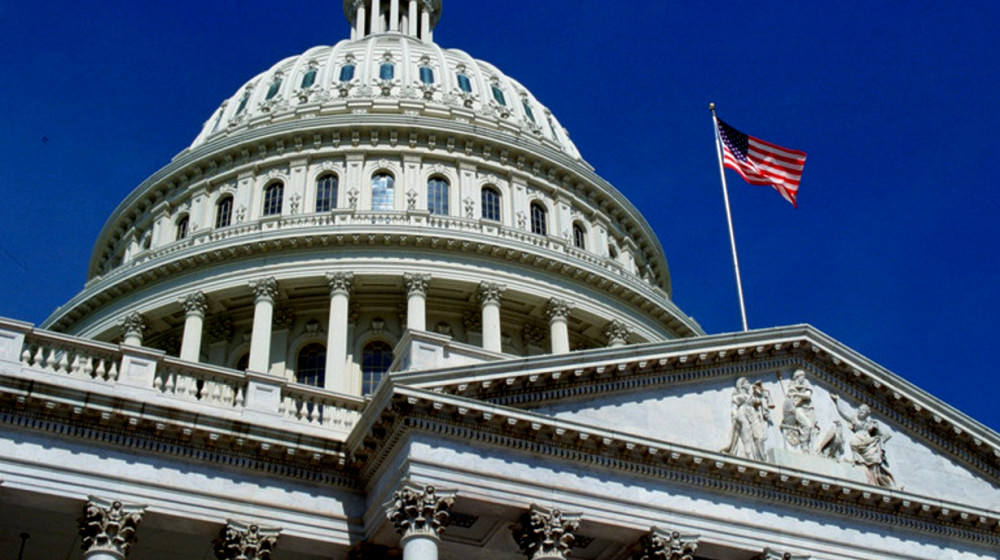
The US government halted operations on October 1 due to deep partisan divides that prevented Congress and the White House from reaching a funding agreement. According to Reuters, this marks the 15th government shutdown since 1981. It will delay the publication of the anticipated employment report for September, slow down air travel, suspend scientific research, deprive American military personnel of their pay, and send 750,000 federal workers on unpaid leave, costing approximately $400 million daily.
US President Donald Trump has warned lawmakers that the shutdown could lead to further job and program cuts.
The shutdown commenced just hours after the Senate rejected a short-term funding bill that would have kept the government running until November 21.
Democrats opposed the measure due to Republicans' refusal to include an extension of medical benefits for millions of Americans, which are set to expire at the end of the year. Republicans argued that this issue should be addressed separately.
The funding dispute involves $1.7 trillion for agency operations, which represents about a quarter of the total government budget of $7 trillion.
Analysts believe this shutdown could last longer than previous ones, as Trump and White House representatives threaten to punish Democrats with cuts to government programs and the federal payroll fund.
It is worth noting that the longest government shutdown in US history lasted over 35 days in December 2018 and January 2019 during Trump's first term, due to border security disputes. In recent years, the US has frequently faced situations where decisions on additional funding are made at the last moment before a potential government shutdown.
