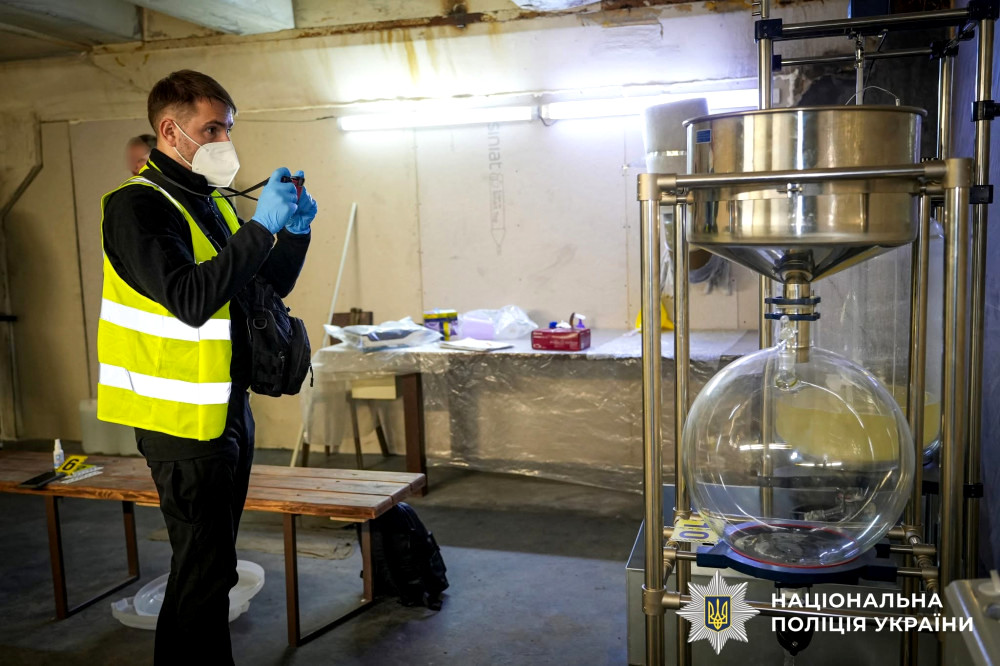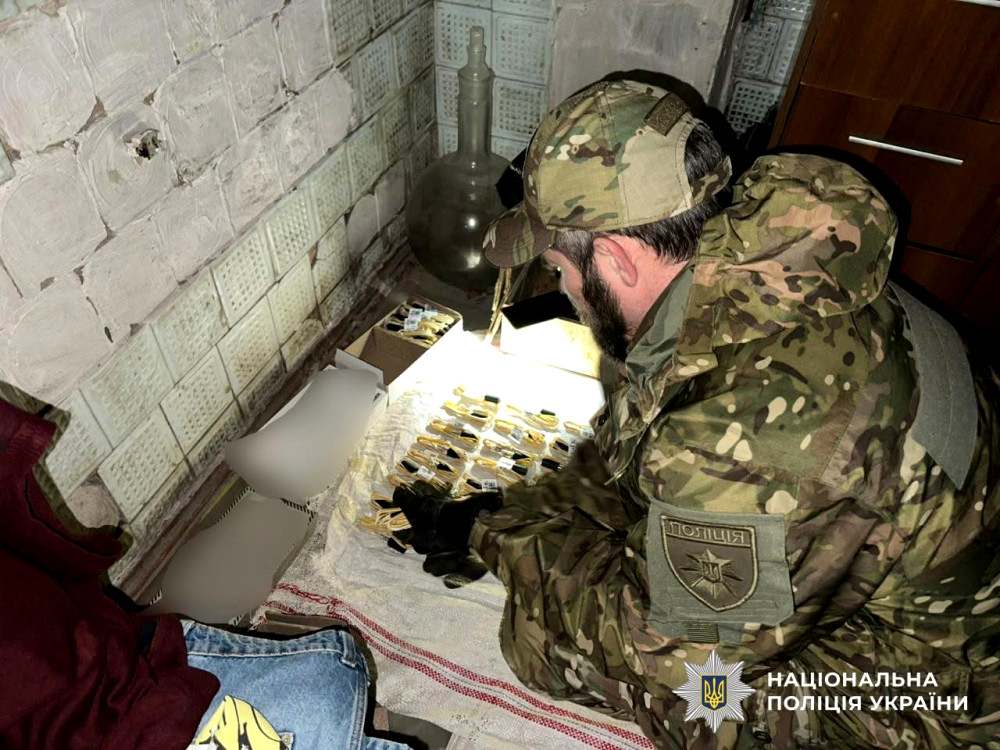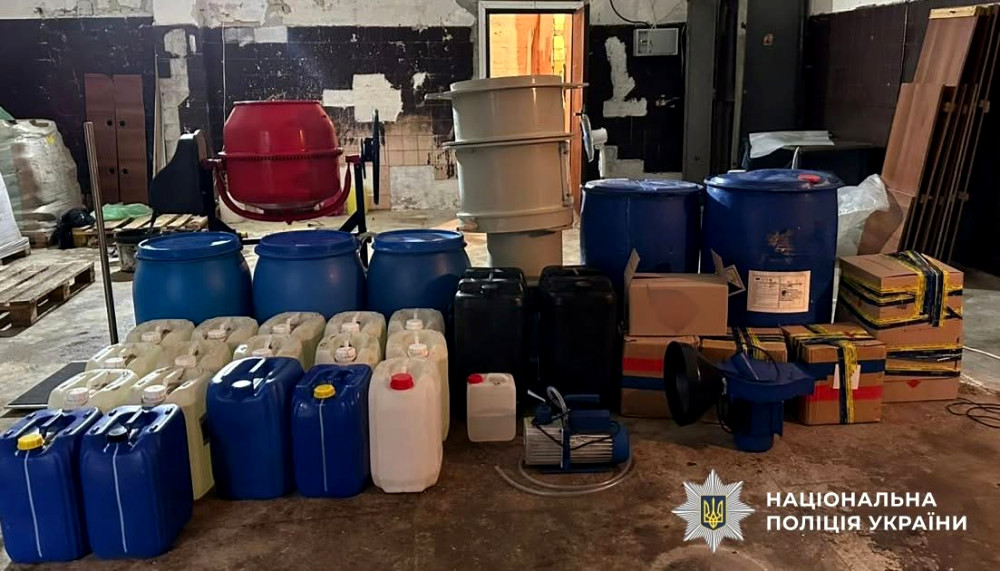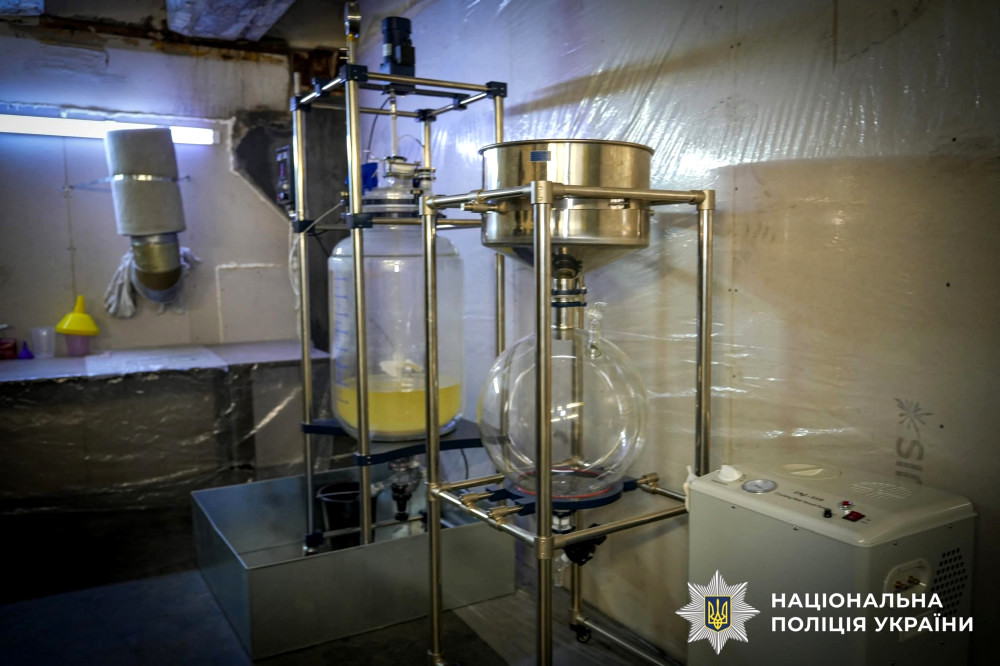


During recent raids, two drug production labs and three warehouses containing precursors and equipment were dismantled. Police confiscated 44 explosives, 30 kg of salts, and over 5,000 liters of precursors.
The criminal organization operated like a well-structured business: producing salts and amphetamines, implementing quality control systems, accounting, and logistics. By leveraging modern technologies, postal services, and encrypted communication channels, members masked their warehouses and two fully equipped labs in storage facilities, producing over 15 kg of psychotropics monthly.
The organization had a clear structure and effective communication channels. Thirteen individuals from Kherson, Odesa, Dnipropetrovsk, Kyiv, and Khmelnytsky regions were involved. Two operatives working within Ukraine established all technological processes, following instructions from an unidentified organizer with a Russian phone number who coordinated their activities remotely via messenger.
Each member of the group had defined roles. Some were responsible for the production and packaging of psychotropic substances, while others supplied precursors and equipment, and some organized transportation, with certain members handling storage, sales, and financial transactions.
The organizers trained their operatives not only in confidentially packaging and shipping the finished "product," but also in independently manufacturing it following detailed technological instructions. They possessed specialized knowledge in chemistry or utilized professional advice from public sources, enhancing the production process. Coordination among members occurred through the Telegram messenger, where law enforcement documented numerous chats discussing the methods of production, packaging, storage, and shipping of finished batches to clients. Each batch was personally monitored by the organizers — criminals' correspondences contained photo reports, weight metrics, and shipping confirmations. Psychotropics were distributed via delivery services. To disguise shipments in postal declarations, they labeled them as household goods. For receiving such packages, members used fictitious personal details. Investigators from the Main Investigative Department of the National Police, with operational support from the Department of Combating Drug Crimes and the Security Service of Ukraine, conducted searches at the homes of the suspects, in warehouses, and in the lab, seizing laboratory equipment, reactors, 44 explosives, 700 liters of chemical compounds for producing psychotropics, 5,000 liters of precursors, 30 kg of alpha-RVP salts, and other material evidence. All members of the organized group have been notified of suspicion for illegal production, storage, and distribution of psychotropic substances, committed by an organized group (Part 1 of Article 255, Part 2 of Article 255, Part 3 of Article 307, Part 3 of Article 311, Part 4 of Article 28, Part 2 of Article 317) of the Criminal Code of Ukraine. They face up to twelve years of imprisonment with property confiscation. Currently, the pre-trial investigation is ongoing. Law enforcement is working to identify the organizer with the Russian phone number who coordinated the activities of the drug syndicate. The Office of the Prosecutor General is overseeing the prosecution.